Have Questions? Talk to Expert (Binod)

The Everest Base Camp Trek is one of the most iconic trekking adventures in the world. Every year, thousands of trekkers travel to Nepal to experience the breathtaking beauty of the Himalayas, walk through traditional Sherpa villages, visit ancient monasteries, and stand at the foot of the world's highest mountain, Mount Everest. Whether you are a solo traveler, a couple, a student researcher, a family, or part of a group, hiring a professional guide and porter can transform your journey into a safer, more enjoyable, and unforgettable experience.
At Himalayan Adventure Intl Treks, we specialize in organizing personalized Everest Base Camp Trek experiences with experienced local guides and porters. We provide everything from trekking permits and transportation to accommodation, meals, airport transfers, helicopter tours, and luxury trekking packages. If you are looking for a hassle-free trekking holiday in Nepal, our dedicated team is ready to assist you from arrival to departure.
The Everest Base Camp Trek is not just a walk in the mountains. It is a high-altitude adventure that requires careful planning, proper acclimatization, and local knowledge. Hiring a guide and porter offers several advantages.
The trail to Everest Base Camp reaches an altitude of 5,364 meters. Altitude sickness can affect anyone regardless of age or fitness level. Our experienced guides are trained to recognize symptoms of altitude sickness and take immediate action when necessary.
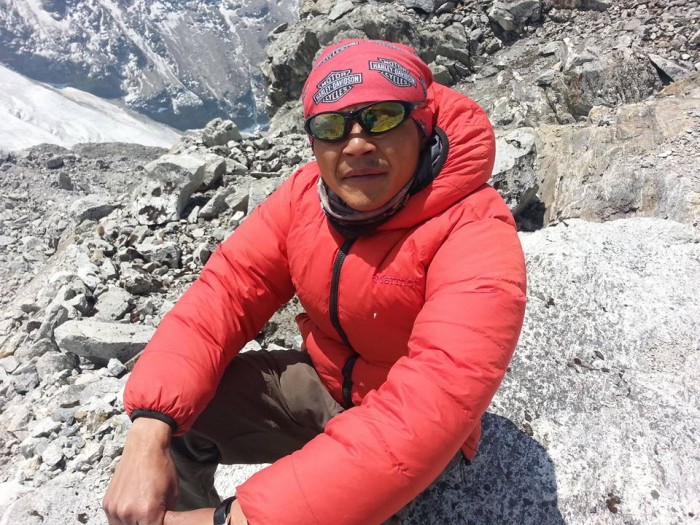
Our guides are local experts who know the trekking routes, weather conditions, culture, traditions, and hidden gems of the Everest region. They enrich your trekking experience with stories and insights about the local Sherpa communities.
A porter carries your heavy luggage, allowing you to enjoy the trek comfortably. Instead of worrying about logistics, you can focus on the spectacular mountain scenery.
Our local guides help you interact with local people, visit monasteries, and understand the unique traditions and lifestyles of the Himalayan communities.
Before starting the Everest Base Camp Trek, trekkers need specific permits. Himalayan Adventure Intl Treks arranges all necessary permits on your behalf.
This permit is mandatory for all trekkers entering the Everest region.
This permit allows entry into the protected Sagarmatha National Park, a UNESCO World Heritage Site.
Our team ensures that all trekking documentation and permit formalities are completed efficiently before your trek begins.
Many experienced trekkers prefer to carry their own backpack while benefiting from local guidance.
Our guide services include:
Hiring only a guide is an excellent option for independent travelers seeking local expertise without porter assistance.
If you are confident navigating the trail but want help carrying luggage, hiring a porter is an ideal choice.
Benefits include:
Our porters are experienced, honest, hardworking, and familiar with the Everest trekking routes.
The most popular option is hiring both a guide and porter.
This package provides:
This combination offers the best balance of safety, comfort, and convenience.
Our budget package is perfect for travelers seeking an affordable Everest adventure.
Despite the affordable price, safety and service quality remain our highest priorities.
The deluxe package offers greater comfort and enhanced services.
This package is ideal for travelers seeking a balance between comfort and adventure.
Our luxury Everest Base Camp Trek provides the highest level of comfort available in the region.
This package is designed for travelers who want an unforgettable Himalayan experience with maximum comfort.
If you want a completely stress-free trekking experience, Himalayan Adventure Intl Treks can arrange every aspect of your journey.
From the moment you arrive in Nepal until your departure, our team handles every detail.
Solo trekking is becoming increasingly popular among international travelers.
Our private guide service allows solo trekkers to enjoy complete freedom while benefiting from professional support.
Group joining treks are ideal for travelers who want to share costs and meet people from around the world.
We organize regular group departures throughout the trekking seasons.
We offer guaranteed fixed departure dates during the main trekking seasons.
March to May offers blooming rhododendrons, clear mountain views, and pleasant temperatures.
September to November provides stable weather and excellent visibility.
Fixed departure groups are perfect for travelers looking for a structured trekking experience.
The Himalayas offer one of the most romantic settings in the world.
Couples can enjoy breathtaking sunrises, peaceful mountain landscapes, and unforgettable memories together.
Many students and researchers visit the Everest region to study mountain environments, climate change, tourism, culture, biodiversity, and Himalayan communities.
We provide:
Our team understands the needs of educational institutions and research organizations.
For travelers with limited time or those seeking a unique adventure, the Everest Base Camp Helicopter Trek is an excellent option.
This option combines trekking adventure with luxury and convenience.
The Everest Helicopter Tour is one of Nepal's most popular sightseeing experiences.
This tour is suitable for travelers of all ages.
Not everyone has the time or ability to trek to Everest Base Camp. The Everest Mountain Flight offers a fantastic alternative.
The mountain flight allows visitors to see the world's highest mountains within a few hours.
Himalayan Adventure Intl Treks arranges all necessary transportation.
We assist with flights between Kathmandu and Lukla, depending on seasonal flight operations.
Comfortable transportation options are available for individuals, couples, and groups.
Good food and comfortable accommodation are essential for a successful Everest Base Camp Trek.
We arrange:
Trekkers can enjoy:
Our guides help ensure you choose safe and nutritious meals throughout the trek.
One of the biggest advantages of trekking with Himalayan Adventure Intl Treks is access to highly experienced local guides.
Their expertise ensures a safe and rewarding trekking experience.
Our porters are the backbone of Himalayan trekking adventures.
We are committed to fair wages and ethical treatment of our porter team.
Costs vary depending on:
Ideal for cost-conscious travelers seeking a genuine trekking experience.
Suitable for travelers wanting extra comfort.
Perfect for those seeking premium services and exclusive experiences.
We provide transparent pricing with no hidden costs.
Our company is operated by experienced Nepalese trekking professionals.
Every trek is customized according to your needs.
Your safety is our highest priority throughout the journey.
We offer affordable rates without compromising service quality.
From guide-only services to complete luxury adventures, we can design the perfect itinerary.
We support local communities and promote sustainable tourism practices.
The Everest Base Camp Trek is a life-changing journey that combines adventure, culture, nature, and personal achievement. Whether you want to hire only a guide, only a porter, arrange permits, book transportation, join a group departure, enjoy a luxury trek, travel as a couple, conduct academic research, or experience an Everest helicopter tour, Himalayan Adventure Intl Treks is your trusted local partner in Nepal.
Our professional guides, experienced porters, and dedicated support team ensure that every aspect of your journey is organized with care and attention. From airport pickup to your final departure, we provide reliable services that allow you to focus on enjoying the magnificent landscapes of the Everest region.
Choose Himalayan Adventure Intl Treks for a safe, memorable, and professionally organized Everest Base Camp adventure. Contact us today to start planning your dream journey to the foot of the world's highest mountain.
Welcome to Kathmandu, the capital city of Nepal and the starting point of your Everest Base Camp adventure. Upon your arrival at Tribhuvan International Airport, a representative from Himalayan Adventure Intl Treks will welcome you and transfer you to your hotel.
Kathmandu is a fascinating city where ancient traditions, temples, historic monuments, colorful markets, and modern life exist side by side. After checking into your hotel, you can relax and recover from your journey or explore the surrounding area of Thamel, one of the most popular tourist neighborhoods in Kathmandu.
Depending on your arrival time, our team will organize a trek briefing. During this meeting, your trekking guide will explain the itinerary, safety procedures, packing requirements, altitude considerations, and important information about the Everest Base Camp Trek.
You will also have the opportunity to check your trekking equipment. If you need any additional equipment, Kathmandu has many shops where you can rent or purchase trekking gear.
Overnight: Hotel in Kathmandu
Altitude: 1,350 meters
Meals: Welcome dinner
Your Everest Base Camp adventure officially begins today with an exciting flight from Kathmandu to Lukla. The flight takes approximately 30–40 minutes and offers breathtaking views of the Himalayan mountain ranges.
Lukla is located at an altitude of approximately 2,800 meters and is the main gateway to the Everest region. The airport is surrounded by green hills and spectacular mountain landscapes. After landing, you will meet your porters and begin your first day of trekking.
The trail from Lukla gradually descends and follows the Dudh Koshi River. You will pass through beautiful mountain landscapes, small Sherpa settlements, prayer mani walls, colorful prayer flags, and traditional teahouses.
The trail is relatively easy compared with the higher sections of the trek, making it an excellent introduction to the Everest region. After several hours of walking, you will reach Phakding, a charming village situated beside the Dudh Koshi River.
Phakding is surrounded by green hills and is a popular overnight stop for trekkers traveling toward Everest Base Camp.
Trekking Duration: Approximately 3–4 hours
Overnight: Teahouse in Phakding
Altitude: 2,652 meters
Meals: Breakfast, lunch, and dinner
Today is one of the most exciting days of the trek as you make your way to Namche Bazaar, the cultural and commercial capital of the Khumbu region.
After breakfast, you will follow the Dudh Koshi River through beautiful pine and rhododendron forests. The trail crosses several impressive suspension bridges decorated with colorful prayer flags.
As you continue walking, the landscape gradually becomes more mountainous. You will enter Sagarmatha National Park, a UNESCO World Heritage Site famous for its exceptional mountain scenery, biodiversity, and cultural importance.
The trail then begins a more challenging uphill section toward Namche Bazaar. Along the way, you may get your first distant views of Mount Everest, depending on the weather and visibility.
Namche Bazaar is a large, horseshoe-shaped mountain town surrounded by spectacular peaks. It is an important trading center for the local Sherpa people and has shops, bakeries, cafés, restaurants, trekking stores, and communication facilities.
Reaching Namche Bazaar is a major milestone on the Everest Base Camp Trek.
Trekking Duration: Approximately 6–7 hours
Overnight: Teahouse in Namche Bazaar
Altitude: 3,440 meters
Meals: Breakfast, lunch, and dinner
Today is an important acclimatization day. Proper acclimatization is one of the most important factors for a successful Everest Base Camp Trek.
Although this is called a rest day, remaining completely inactive is not recommended. Instead, we take a short hike to a higher altitude and return to Namche Bazaar for overnight accommodation.
One popular option is a hike to the Everest View Hotel, located at approximately 3,880 meters. From this viewpoint, you may enjoy panoramic views of Mount Everest, Lhotse, Nuptse, Ama Dablam, Thamserku, and other surrounding peaks.
You may also visit the Sherpa Culture Museum and the Everest Photo Gallery to learn more about the history, culture, and mountaineering traditions of the region.
The acclimatization day allows your body to adjust gradually to the increasing altitude. Our guide will also monitor your health and provide advice about hydration, nutrition, rest, and altitude awareness.
You will spend another night in Namche Bazaar before continuing toward the higher valleys.
Hiking Duration: Approximately 3–5 hours
Overnight: Teahouse in Namche Bazaar
Altitude: 3,440 meters
Meals: Breakfast, lunch, and dinner
After breakfast, the trail leaves Namche Bazaar and follows a scenic route along the hillside. This is one of the most beautiful sections of the Everest Base Camp Trek.
The trail offers magnificent views of Mount Everest, Ama Dablam, Lhotse, Nuptse, and Thamserku. The path passes through small villages and beautiful forests filled with pine, fir, rhododendron, and juniper trees.
You will gradually descend toward the Dudh Koshi River before beginning the climb toward Tengboche. The final ascent can be challenging, but the spectacular scenery makes the effort worthwhile.
Tengboche is famous for the historic Tengboche Monastery, the largest and most important Buddhist monastery in the Khumbu region. The monastery is surrounded by some of the most spectacular mountain scenery in Nepal.
If the monastery is open, you may have the opportunity to observe Buddhist prayers and ceremonies. The peaceful spiritual atmosphere of Tengboche provides a memorable cultural experience during your trek.
Trekking Duration: Approximately 5–6 hours
Overnight: Teahouse in Tengboche
Altitude: 3,860 meters
Meals: Breakfast, lunch, and dinner
Today, you will continue toward the higher elevations of the Everest region. The trail descends through beautiful forests toward Deboche before crossing the Imja Khola River.
From there, the route continues through traditional Sherpa settlements and open mountain landscapes. As you gain altitude, the vegetation becomes thinner and the scenery changes dramatically.
You will pass through Pangboche, one of the oldest villages in the Khumbu region. The village offers beautiful views of Ama Dablam and surrounding mountains.
The trail continues through the Imja Valley toward Dingboche. Dingboche is one of the most important acclimatization settlements on the Everest Base Camp route.
The landscape around Dingboche is characterized by wide valleys, stone-walled fields, and spectacular views of Ama Dablam, Island Peak, Lhotse, and other Himalayan peaks.
Dingboche is often called the “summer valley” because local farmers traditionally grow crops such as barley, potatoes, and buckwheat in the protected valley.
Trekking Duration: Approximately 5–6 hours
Overnight: Teahouse in Dingboche
Altitude: 4,410 meters
Meals: Breakfast, lunch, and dinner
Today is another essential acclimatization day. As you are now above 4,000 meters, your body needs time to adapt to the reduced oxygen levels.
Our experienced guide will recommend a short hike to a higher altitude before returning to Dingboche. Depending on weather conditions and your fitness level, you may hike toward Nangkartshang Peak or another nearby viewpoint.
From the higher viewpoints, you can enjoy spectacular views of Ama Dablam, Island Peak, Makalu, Lhotse, and other Himalayan mountains.
The principle of “climb high and sleep low” helps your body adjust to the altitude. During the day, it is important to walk slowly, drink plenty of water, eat nutritious meals, and avoid unnecessary exertion.
This is also a wonderful opportunity to relax and enjoy the unique atmosphere of the high Himalayas.
Hiking Duration: Approximately 3–5 hours
Overnight: Teahouse in Dingboche
Altitude: 4,410 meters
Meals: Breakfast, lunch, and dinner
Today, the trail continues through increasingly rugged and dramatic mountain terrain.
The route gradually climbs through the wide Khumbu Valley toward the terminal moraine of the Khumbu Glacier. Along the way, you will pass through Dughla, where the trail becomes steeper as it climbs toward the memorial area.
One of the most emotional places on the Everest Base Camp Trek is the Everest Memorial, located near the top of the Dughla Pass. The memorials honor climbers and Sherpa guides who lost their lives on Mount Everest and other Himalayan peaks.
The collection of stone memorials and prayer flags creates a peaceful and deeply moving atmosphere. From this location, you can also enjoy impressive views of the surrounding mountains.
After the memorial area, the trail gradually continues toward Lobuche. The landscape is now mostly barren, rocky, and dominated by glaciers and high mountain peaks.
Lobuche is a small settlement located near the Khumbu Glacier and is an important overnight stop before Everest Base Camp.
Trekking Duration: Approximately 5–6 hours
Overnight: Teahouse in Lobuche
Altitude: 4,910 meters
Meals: Breakfast, lunch, and dinner
Today is one of the most important and exciting days of your Everest Base Camp adventure.
You will start early from Lobuche and follow the trail toward Gorak Shep. The path passes through rocky glacial terrain and offers incredible views of the Khumbu Glacier and surrounding Himalayan peaks.
After reaching Gorak Shep, you will have a short break and continue toward Everest Base Camp.
The trail to Everest Base Camp follows the rugged moraine of the Khumbu Glacier. The terrain can be rocky and uneven, and the altitude makes the walk physically demanding. However, the excitement of reaching the base camp of Mount Everest makes every step worthwhile.
Finally, you will arrive at the famous Everest Base Camp at 5,364 meters.
Standing at Everest Base Camp is a remarkable achievement. From here, you can enjoy views of the Khumbu Icefall and surrounding mountains. During the spring climbing season, you may see expedition camps and mountaineering activity in the area.
After spending time at Everest Base Camp, taking photographs, and celebrating this unforgettable achievement, you will return to Gorak Shep for the night.
Trekking Duration: Approximately 7–8 hours
Overnight: Teahouse in Gorak Shep
Altitude: 5,164 meters
Everest Base Camp: 5,364 meters
Meals: Breakfast, lunch, and dinner
Today begins early with one of the most spectacular hikes of the entire trek.
You will wake before sunrise and hike to Kala Patthar, located at approximately 5,545 meters. This is widely regarded as one of the best viewpoints for seeing Mount Everest.
The climb is challenging because of the high altitude, but the views from the summit are extraordinary. As the sun rises over the Himalayas, the peaks gradually glow with golden light.
From Kala Patthar, you can enjoy breathtaking views of:
After spending time at the viewpoint, you will descend back to Gorak Shep for breakfast. You will then continue downhill toward Pheriche.
The descent to Pheriche is a welcome change after several days at high altitude. As you lose elevation, breathing generally becomes easier and the landscape gradually becomes more welcoming.
Pheriche is a beautiful mountain village located in a wide valley and is an important stop for trekkers.
Trekking Duration: Approximately 7–8 hours
Overnight: Teahouse in Pheriche
Altitude: 4,371 meters
Meals: Breakfast, lunch, and dinner
Today, you begin the return journey through the beautiful Khumbu Valley.
The trail descends toward Pangboche and continues through forests and mountain villages. You will cross suspension bridges and follow the Dudh Koshi River.
The return journey offers a different perspective of the landscapes you experienced during the ascent. The descent is generally easier physically, although the long distance still requires good stamina.
You will pass through Tengboche and continue toward Namche Bazaar. The trail includes both uphill and downhill sections, so trekking poles can be useful.
After reaching Namche Bazaar, you can enjoy a comfortable evening in the lively mountain town. Many trekkers celebrate their successful Everest Base Camp experience here.
Trekking Duration: Approximately 6–7 hours
Overnight: Teahouse in Namche Bazaar
Altitude: 3,440 meters
Meals: Breakfast, lunch, and dinner
Today is your final full day of trekking in the Everest region.
After breakfast, you will follow the trail downhill through the forests toward the Dudh Koshi River. You will cross several suspension bridges and pass through familiar villages along the route.
The trail continues through Phakding and eventually toward Lukla. Although the trail is mainly downhill, there are several uphill sections, so the journey can still be tiring.
When you arrive in Lukla, you will have completed the trekking portion of your Everest Base Camp adventure.
This is a wonderful evening to celebrate with your guide and porters. Many trekkers enjoy sharing stories and memories of the journey with the local team who helped make the adventure possible.
Trekking Duration: Approximately 6–7 hours
Overnight: Teahouse in Lukla
Altitude: 2,800 meters
Meals: Breakfast, lunch, and dinner
Today, you will take a scenic flight from Lukla back to Kathmandu.
The flight offers one final opportunity to enjoy aerial views of the Himalayan landscape. Depending on weather conditions and operational schedules, flight times may occasionally change.
Upon arrival in Kathmandu, our representative will transfer you to your hotel.
You can spend the remainder of the day relaxing, exploring Kathmandu, shopping for souvenirs, or enjoying a well-deserved massage after your trek.
You may also visit the vibrant streets of Thamel, where you can find traditional handicrafts, trekking souvenirs, Nepalese clothing, artwork, and restaurants serving both local and international cuisine.
Flight Duration: Approximately 30–40 minutes
Overnight: Hotel in Kathmandu
Altitude: 1,350 meters
Meals: Breakfast
Your unforgettable Everest Base Camp adventure comes to an end today.
Depending on your flight schedule, you may have free time to enjoy a final breakfast or explore Kathmandu. A representative from Himalayan Adventure Intl Treks will transfer you to Tribhuvan International Airport for your international departure.
We hope your journey through the Everest region has created unforgettable memories and inspired you to return to Nepal for another Himalayan adventure.
Meals: Breakfast
Transportation: Airport transfer
Choosing the right trekking company is an important part of planning your Everest Base Camp adventure. At Himalayan Adventure Intl Treks, we are a local Nepal-based trekking company with extensive experience organizing trekking and mountaineering adventures throughout Nepal.
Our team provides:
Our professional, licensed, and experienced guides understand the Everest region, local culture, mountain weather, trail conditions, and altitude challenges. They are trained to support trekkers throughout the journey and help make your trek safe and enjoyable.
Our porters are an essential part of the trekking team. We follow responsible porter practices and ensure that they are properly equipped and treated with respect.
The itinerary includes acclimatization days in Namche Bazaar and Dingboche. These rest and exploration days are essential for helping your body adjust to increasing altitude.
We can arrange the essential services required for your Everest Base Camp Trek, including trekking permits, domestic transportation, accommodation, guide services, porter services, airport transfers, and other necessary arrangements.
As a local trekking company, we understand the Everest region and can provide flexible support based on your travel schedule, budget, experience, and personal preferences.
The best seasons for the Everest Base Camp Trek are generally:
Spring offers warmer temperatures, clear mountain views, and beautiful rhododendron forests. This is also the main mountaineering season on Mount Everest.
Autumn is considered one of the best trekking seasons in Nepal. The weather is generally stable, skies are often clear, and mountain visibility is excellent.
Winter trekking is possible, but temperatures are significantly colder, especially at night and at higher elevations. Snow and cold weather can make some sections more challenging.
The Everest region can still be trekked during the monsoon, although flight schedules and weather conditions may be less predictable. The higher Everest region receives less rainfall than many lower areas of Nepal.
The Everest Base Camp Trek is considered a moderate to challenging high-altitude trek.
You do not need technical mountaineering experience, but you should be prepared for:
Regular cardiovascular training, walking, hiking, stair climbing, and strength training before your trip can significantly improve your trekking experience.
Accommodation is generally provided in traditional mountain teahouses and lodges.
Most teahouses offer basic but comfortable rooms with beds, mattresses, blankets, and shared bathroom facilities. At lower elevations, some rooms may have private bathrooms, while higher-altitude accommodations generally provide shared facilities.
Dining rooms are usually heated by a central stove, creating a warm and welcoming environment where trekkers can relax, eat meals, and share stories.
Teahouses provide a variety of meals, including traditional Nepali dishes and international options.
Popular trekking meals include:
We recommend eating nutritious meals and drinking plenty of fluids throughout the trek.
Altitude is one of the most important considerations during the Everest Base Camp Trek.
The itinerary is designed with gradual elevation gain and acclimatization days in Namche Bazaar and Dingboche. Our guides monitor trekkers for signs of altitude-related problems and provide guidance throughout the journey.
Important practices include:
Your safety is always our highest priority.
The Everest Base Camp Trek is more than a journey to a famous destination. It is an adventure through one of the most spectacular mountain regions on Earth. From the excitement of the Lukla flight to the peaceful monasteries of Tengboche, the welcoming Sherpa villages, the dramatic Khumbu Glacier, the legendary Everest Base Camp, and the sunrise from Kala Patthar, every day offers a new experience.
With Himalayan Adventure Intl Treks, you can experience the Everest Base Camp Trek with professional local support, experienced guides, reliable porters, carefully planned acclimatization, and personalized service.
If you are planning to trek to Everest Base Camp, our team can help arrange your complete journey according to your preferred dates, budget, group size, and travel requirements.
Contact Himalayan Adventure Intl Treks today to plan your unforgettable 14-day Everest Base Camp Trek in Nepal.
Hiring a Female Guide Cost: USD 30 to USD 35 per day
Hiring a guide enhances your safety, navigation, cultural understanding, and overall trekking experience. A professional guide from Himalayan Adventure Intl Treks helps with route finding, accommodation arrangements, altitude monitoring, and emergency support throughout the trek.
The cost typically ranges from USD 30 to USD 50 per day depending on the guide's experience, language skills, season, and services included. Himalayan Adventure Intl Treks provides experienced licensed guides at competitive rates.
A guide generally assists with navigation, accommodation booking, route planning, permit verification, altitude monitoring, local information, and emergency coordination.
A porter typically costs between USD 20 and USD 35 per day. The rate usually includes the porter's salary, insurance, food, accommodation, and transportation.
A porter generally carries up to 20 kilograms, which is usually shared between two trekkers. Responsible trekking practices ensure fair working conditions for porters.
A porter reduces the physical burden of carrying heavy luggage, allowing trekkers to conserve energy, acclimatize better, and enjoy the scenery.
Yes. Hiring both a guide and porter is the most popular option because it provides maximum comfort, safety, and local support during the trek.
The combined cost generally ranges from USD 50 to USD 80 per day depending on season, group size, and service level.
Yes. Himalayan Adventure Intl Treks can arrange professional guides and porters before your trek begins, ensuring proper preparation and reliability.
Trekkers usually need:
The permit fee for foreign visitors is NPR 3,000 plus applicable taxes, though fees may change over time.
The permit generally costs around NPR 3,000 per person for foreign trekkers and 1500 for SAARC trekkers .
Yes. We arrange all required trekking permits, saving trekkers time and avoiding administrative hassles.
The cost depends on the season and airline. Flights generally USD 235 oneway and USD 470 round trip per person.
Yes. Himalayan Adventure Intl Treks can include all domestic flights, airport transfers, and local transportation in your package.
Weather conditions sometimes cause delays. Our team helps arrange alternative options, including helicopter transfers when available or jeep.
The trek is considered moderately challenging. No technical climbing skills are required, but trekkers should be physically prepared for long walking days and high altitude.
Average fitness is sufficient if you prepare properly. Regular walking, hiking, jogging, and cardio training before the trek are recommended.
The standard itinerary usually takes 12 to 14 days, including acclimatization days.
Everest Base Camp reaches 5,364 meters, while Kala Patthar reaches approximately 5,545 meters.
Altitude sickness occurs when the body struggles to adapt to reduced oxygen levels at high elevations.
Guides monitor symptoms, manage acclimatization schedules, encourage hydration, and make safe decisions regarding ascent or descent.
Essential items include:
Layering is essential. Bring base layers, insulating layers, and waterproof outer layers for varying temperatures.
Waterproof, well-broken-in trekking boots with ankle support are strongly recommended.
Yes. Kathmandu has many rental shops offering sleeping bags, down jackets, trekking poles, and other equipment.
Rental costs vary, but commonly:
Yes. We can help arrange quality rental gear before the trek begins.
Yes. Even tea houses provide blankets, but a warm sleeping bag is highly recommended for comfort and hygiene.
A daypack of 25–35 liters is ideal if you hire a porter.
A duffel bag of approximately 70–90 liters is commonly used for porter-carried luggage.
Accommodation mainly consists of tea houses and mountain lodges offering basic but comfortable rooms.
Private rooms are available in many villages, though availability decreases at higher elevations.
Common meals include:
Yes, Vegetarian meals are widely available throughout the Everest region.
Yes. Water can be purchased, boiled, filtered, or purified using tablets.
Yes. They are lightweight and useful for reducing expenses and plastic waste.
Most tea houses offer charging services for a small fee.
Internet is available in many villages, though speed and reliability vary significantly.
The most popular seasons are:
Yes. Winter trekking offers fewer crowds and beautiful snow-covered landscapes, though temperatures are much colder.
Absolutely. Himalayan Adventure Intl Treks specializes in private guided treks for solo travelers.
Yes. We offer customized romantic trekking experiences for couples with private guides and porters.
Yes. We organize regular group departures during major trekking seasons.
Yes. We support students, researchers, and educational institutions conducting fieldwork in the Everest region.
Yes. Our licensed guides speak English and have extensive experience working with international trekkers.
Hiring local guides supports local communities and provides authentic cultural experiences while ensuring professional trekking services.
We offer:
Booking is simple. Contact Himalayan Adventure Intl Treks with your travel dates, group size, and preferences. Our team will customize the perfect Everest Base Camp Trek package, whether you need only a guide, only a porter, permits, transportation, equipment rental, or a complete trekking package from arrival to departure.
Whether you are planning a budget trek, deluxe adventure, luxury Everest experience, helicopter return trek, mountain flight tour, academic research expedition, private guided journey, or group departure, Himalayan Adventure Intl Treks provides trusted local guides, professional porters, permit assistance, transportation, accommodation, and complete trekking support to make your Everest Base Camp adventure safe, memorable, and successful.
Hiring a guide enhances your safety, navigation, cultural understanding, and overall trekking experience. A professional guide from Himalayan Adventure Intl Treks helps with route finding, accommodation arrangements, altitude monitoring, and emergency support throughout the trek.
The cost typically ranges from USD 30 to USD 50 per day depending on the guide's experience, language skills, season, and services included. Himalayan Adventure Intl Treks provides experienced licensed guides at competitive rates.
A guide generally assists with navigation, accommodation booking, route planning, permit verification, altitude monitoring, local information, and emergency coordination.
A porter typically costs between USD 20 and USD 35 per day. The rate usually includes the porter's salary, insurance, food, accommodation, and transportation.
A porter generally carries up to 20 kilograms, which is usually shared between two trekkers. Responsible trekking practices ensure fair working conditions for porters.
A porter reduces the physical burden of carrying heavy luggage, allowing trekkers to conserve energy, acclimatize better, and enjoy the scenery.
Yes. Hiring both a guide and porter is the most popular option because it provides maximum comfort, safety, and local support during the trek.
The combined cost generally ranges from USD 50 to USD 80 per day depending on season, group size, and service level.
Yes. Himalayan Adventure Intl Treks can arrange professional guides and porters before your trek begins, ensuring proper preparation and reliability.
Trekkers usually need:
The permit fee for foreign visitors is NPR 3,000 plus applicable taxes, though fees may change over time.
The permit generally costs around NPR 3,000 per person for foreign trekkers and 1500 for SAARC trekkers .
Yes. We arrange all required trekking permits, saving trekkers time and avoiding administrative hassles.
The cost depends on the season and airline. Flights generally USD 235 oneway and USD 470 round trip per person.
Yes. Himalayan Adventure Intl Treks can include all domestic flights, airport transfers, and local transportation in your package.
Weather conditions sometimes cause delays. Our team helps arrange alternative options, including helicopter transfers when available or jeep.
The trek is considered moderately challenging. No technical climbing skills are required, but trekkers should be physically prepared for long walking days and high altitude.
Average fitness is sufficient if you prepare properly. Regular walking, hiking, jogging, and cardio training before the trek are recommended.
The standard itinerary usually takes 12 to 14 days, including acclimatization days.
Everest Base Camp reaches 5,364 meters, while Kala Patthar reaches approximately 5,545 meters.
Altitude sickness occurs when the body struggles to adapt to reduced oxygen levels at high elevations.
Guides monitor symptoms, manage acclimatization schedules, encourage hydration, and make safe decisions regarding ascent or descent.
Essential items include:
Layering is essential. Bring base layers, insulating layers, and waterproof outer layers for varying temperatures.
Waterproof, well-broken-in trekking boots with ankle support are strongly recommended.
Yes. Kathmandu has many rental shops offering sleeping bags, down jackets, trekking poles, and other equipment.
Rental costs vary, but commonly:
Yes. We can help arrange quality rental gear before the trek begins.
Yes. Even tea houses provide blankets, but a warm sleeping bag is highly recommended for comfort and hygiene.
A daypack of 25–35 liters is ideal if you hire a porter.
A duffel bag of approximately 70–90 liters is commonly used for porter-carried luggage.
Accommodation mainly consists of tea houses and mountain lodges offering basic but comfortable rooms.
Private rooms are available in many villages, though availability decreases at higher elevations.
Common meals include:
Yes, Vegetarian meals are widely available throughout the Everest region.
Yes. Water can be purchased, boiled, filtered, or purified using tablets.
Yes. They are lightweight and useful for reducing expenses and plastic waste.
Most tea houses offer charging services for a small fee.
Internet is available in many villages, though speed and reliability vary significantly.
The most popular seasons are:
Yes. Winter trekking offers fewer crowds and beautiful snow-covered landscapes, though temperatures are much colder.
Absolutely. Himalayan Adventure Intl Treks specializes in private guided treks for solo travelers.
Yes. We offer customized romantic trekking experiences for couples with private guides and porters.
Yes. We organize regular group departures during major trekking seasons.
Yes. We support students, researchers, and educational institutions conducting fieldwork in the Everest region.
Yes. Our licensed guides speak English and have extensive experience working with international trekkers.
Hiring local guides supports local communities and provides authentic cultural experiences while ensuring professional trekking services.
We offer:
Booking is simple. Contact Himalayan Adventure Intl Treks with your travel dates, group size, and preferences. Our team will customize the perfect Everest Base Camp Trek package, whether you need only a guide, only a porter, permits, transportation, equipment rental, or a complete trekking package from arrival to departure.
Whether you are planning a budget trek, deluxe adventure, luxury Everest experience, helicopter return trek, mountain flight tour, academic research expedition, private guided journey, or group departure, Himalayan Adventure Intl Treks provides trusted local guides, professional porters, permit assistance, transportation, accommodation, and complete trekking support to make your Everest Base Camp adventure safe, memorable, and successful.
The Everest Base Camp Trek is one of the most iconic trekking experiences in the world. Towering Himalayan peaks, Sherpa culture, ancient monasteries, and the thrill of reaching 5,364 meters at Everest Base Camp make this journey a once-in-a-lifetime adventure. But before embarking on this unforgettable hike, it’s crucial to understand the logistics involved—especially when it comes to hiring a guide and porter for Everest Base Camp Trek.
For a safe, enjoyable, and insightful journey, many trekkers opt to hire professional support. This article from Himalayan Adventure International Treks will walk you through the key factors involved in hiring a guide and porter, including the Everest Base Camp Trek cost, Everest Base Camp packages, and tips on choosing the right company.
Technically, solo trekking to Everest Base Camp is possible—but it’s not advisable, especially with Nepal’s changing regulations. Hiring a licensed guide offers numerous advantages:
Navigation through challenging terrain
Safety from altitude sickness with trained observation
Cultural and historical insights
Help with permits, logistics, and communication
So, if you're wondering, “Do I need a guide for Everest Base Camp Trek?”—the answer is a definite yes for a safer and richer trekking experience.
While some trekkers prefer to carry their own gear, it’s important to remember that the Everest Base Camp Trek lasts around 12–14 days and involves steep ascents and high-altitude terrain. Porters carry your heavy bags (usually up to 20-25 kg), allowing you to focus on enjoying the trek and managing your energy efficiently.
If you’re asking, “Do you need a porter for Everest Base Camp?”, consider your physical fitness, load weight, and acclimatization needs. Most trekkers benefit greatly from hiring a porter.
With hundreds of trekking companies operating in Nepal, choosing the right company is vital. A reputable company ensures:
Experienced, licensed guides and porters
Proper insurance for staff
Ethical treatment of porters
Transparent pricing
Customized Everest Base Camp packages
Himalayan Adventure International Treks stands out for its personalized approach, deep local knowledge, and commitment to client satisfaction. When you trek with us, you gain more than a guide—you gain a cultural ambassador and a reliable team that treats you like family.
The cost to hire a guide varies slightly depending on the season, experience, and demand. On average:
Professional Licensed Guide: USD $30–$40 per day (including food, accommodation, insurance)
At Himalayan Adventure International Treks, we provide highly trained, English-speaking guides at a fair rate of $35 per day, ensuring you get expertise and safety without overpaying.
Hiring a porter is typically cheaper than hiring a guide. Here’s a standard rate:
Experienced Porter: USD $20–$25 per day (including meals, lodging, and insurance)
Our porters, drawn from the local Sherpa and Rai communities, are fully insured and fairly paid. We offer porters at $25 per day, including all expenses.
Let’s estimate for a 13-day trek:
Guide: $35 × 13 = $455
Porter: $25 × 13 = $325
Total: ~$780
This excludes your own lodging, permits, and food, which are typically covered in Everest Base Camp packages.
The Everest Base Camp cost 2025/26 is expected to rise slightly due to inflation and updated permit fees. Here’s an average estimate:
| Expense Category | Estimated Cost (USD) |
|---|---|
| Trekking Permits (TIMS + Khumbu) | $50–$60 |
| Round-trip Lukla Flight | $180–$200 |
| Accommodation (13 nights) | $150–$250 |
| Meals (3 per day x 13 days) | $195–$260 |
| Guide and Porter | $780 (as above) |
| Miscellaneous + Tips | $100–$150 |
| Total Estimated Cost | $1,450–$1,700 |
These costs can vary depending on whether you choose a luxury Everest Base Camp package or a more budget-friendly option.
We offer several Everest Base Camp packages that include guide, porter, accommodation, permits, domestic flights, and meals. Some options include:
Standard EBC Trek (13 Days) – Guide + Porter + Full Board: $1,550
Comfort Trek (with better lodges) – $1,850
Private Group with Custom Add-Ons – Flexible pricing
Every package includes the option to customize based on your fitness level, time frame, and interests—whether it’s photography, culture, or high-altitude training.
The majority of EBC treks begin with a flight from Kathmandu to Lukla, the gateway to Everest. This tiny airstrip is one of the most thrilling airports in the world. It’s critical to arrive early in the trekking season (March–May or Sept–Nov) to avoid weather-related flight delays.
Our team at Himalayan Adventure International Treks handles all Everest Base Camp Lukla flight bookings and provides alternatives (such as helicopter transfers or overland routes) in case of delays.
Tipping is customary and appreciated in Nepal. Here’s a general guide:
Porter: $5–$10 per day
Guide: $10–$15 per day
So for a 13-day trek:
Porter Tip: $65–$130
Guide Tip: $130–$195
This means you should budget an additional $200–$300 for tips, depending on your satisfaction and group size.
Tipping is usually done at the end of the trek. A group can pool tips and present them in an envelope with a warm thank-you.
When you hire independently, you may find cheaper rates—but at a cost. Here's what can go wrong:
No insurance for guide/porter
Language barriers
Lack of permits or licenses
Unethical treatment or overwork of porters
By hiring through Himalayan Adventure International Treks, you are guaranteed:
✅ Verified, licensed guides and porters
✅ Emergency backup and evacuation support
✅ 24/7 assistance
✅ Cultural immersion
✅ Fair wages and porter welfare
✅ Transparent pricing with no hidden costs
Train in advance: Focus on cardio, leg strength, and endurance
Pack wisely: Layered clothing, sturdy boots, headlamp, and snacks
Acclimatize properly: Take rest days at Namche and Dingboche
Stay hydrated
Respect local culture
Go slow to avoid altitude sickness
Stay positive—weather and challenges may arise, but it’s all part of the adventure!
“Hiring a guide and porter through Himalayan Adventure International Treks was the best decision we made. Our guide Pasang was knowledgeable and friendly, and our porter carried our bags with a smile every day. Highly recommended!”
– Julia S., USA
“I had altitude sickness on Day 6. Thanks to our guide’s quick action, I was safely monitored and able to continue. Truly professional service!”
– Marco L., Italy
The Everest Base Camp trek is an awe-inspiring journey, but the key to a successful trip lies in preparation—and the right support team.
Whether you’re trekking solo or with friends, hiring a guide and porter for Everest Base Camp enhances safety, deepens cultural experiences, and lightens your physical burden. The cost to hire guide and porter is a small price for the comfort and assurance it brings.
Let Himalayan Adventure International Treks help you craft the ultimate Himalayan experience.
👉 Contact us now to book your 2025/26 Everest adventure and get the best Everest Base Camp packages at competitive prices.
The Everest Base Camp Trek is one of the most iconic trekking experiences in the world. Towering Himalayan peaks, Sherpa culture, ancient monasteries, and the thrill of reaching 5,364 meters at Everest Base Camp make this journey a once-in-a-lifetime adventure. But before embarking on this unforgettable hike, it’s crucial to understand the logistics involved—especially when it comes to hiring a guide and porter for Everest Base Camp Trek.
For a safe, enjoyable, and insightful journey, many trekkers opt to hire professional support. This article from Himalayan Adventure International Treks will walk you through the key factors involved in hiring a guide and porter, including the Everest Base Camp Trek cost, Everest Base Camp packages, and tips on choosing the right company.
Technically, solo trekking to Everest Base Camp is possible—but it’s not advisable, especially with Nepal’s changing regulations. Hiring a licensed guide offers numerous advantages:
Navigation through challenging terrain
Safety from altitude sickness with trained observation
Cultural and historical insights
Help with permits, logistics, and communication
So, if you're wondering, “Do I need a guide for Everest Base Camp Trek?”—the answer is a definite yes for a safer and richer trekking experience.
While some trekkers prefer to carry their own gear, it’s important to remember that the Everest Base Camp Trek lasts around 12–14 days and involves steep ascents and high-altitude terrain. Porters carry your heavy bags (usually up to 20-25 kg), allowing you to focus on enjoying the trek and managing your energy efficiently.
If you’re asking, “Do you need a porter for Everest Base Camp?”, consider your physical fitness, load weight, and acclimatization needs. Most trekkers benefit greatly from hiring a porter.
With hundreds of trekking companies operating in Nepal, choosing the right company is vital. A reputable company ensures:
Experienced, licensed guides and porters
Proper insurance for staff
Ethical treatment of porters
Transparent pricing
Customized Everest Base Camp packages
Himalayan Adventure International Treks stands out for its personalized approach, deep local knowledge, and commitment to client satisfaction. When you trek with us, you gain more than a guide—you gain a cultural ambassador and a reliable team that treats you like family.
The cost to hire a guide varies slightly depending on the season, experience, and demand. On average:
Professional Licensed Guide: USD $30–$40 per day (including food, accommodation, insurance)
At Himalayan Adventure International Treks, we provide highly trained, English-speaking guides at a fair rate of $35 per day, ensuring you get expertise and safety without overpaying.
Hiring a porter is typically cheaper than hiring a guide. Here’s a standard rate:
Experienced Porter: USD $20–$25 per day (including meals, lodging, and insurance)
Our porters, drawn from the local Sherpa and Rai communities, are fully insured and fairly paid. We offer porters at $25 per day, including all expenses.
Let’s estimate for a 13-day trek:
Guide: $35 × 13 = $455
Porter: $25 × 13 = $325
Total: ~$780
This excludes your own lodging, permits, and food, which are typically covered in Everest Base Camp packages.
The Everest Base Camp cost 2025/26 is expected to rise slightly due to inflation and updated permit fees. Here’s an average estimate:
| Expense Category | Estimated Cost (USD) |
|---|---|
| Trekking Permits (TIMS + Khumbu) | $50–$60 |
| Round-trip Lukla Flight | $180–$200 |
| Accommodation (13 nights) | $150–$250 |
| Meals (3 per day x 13 days) | $195–$260 |
| Guide and Porter | $780 (as above) |
| Miscellaneous + Tips | $100–$150 |
| Total Estimated Cost | $1,450–$1,700 |
These costs can vary depending on whether you choose a luxury Everest Base Camp package or a more budget-friendly option.
We offer several Everest Base Camp packages that include guide, porter, accommodation, permits, domestic flights, and meals. Some options include:
Standard EBC Trek (13 Days) – Guide + Porter + Full Board: $1,550
Comfort Trek (with better lodges) – $1,850
Private Group with Custom Add-Ons – Flexible pricing
Every package includes the option to customize based on your fitness level, time frame, and interests—whether it’s photography, culture, or high-altitude training.
The majority of EBC treks begin with a flight from Kathmandu to Lukla, the gateway to Everest. This tiny airstrip is one of the most thrilling airports in the world. It’s critical to arrive early in the trekking season (March–May or Sept–Nov) to avoid weather-related flight delays.
Our team at Himalayan Adventure International Treks handles all Everest Base Camp Lukla flight bookings and provides alternatives (such as helicopter transfers or overland routes) in case of delays.
Tipping is customary and appreciated in Nepal. Here’s a general guide:
Porter: $5–$10 per day
Guide: $10–$15 per day
So for a 13-day trek:
Porter Tip: $65–$130
Guide Tip: $130–$195
This means you should budget an additional $200–$300 for tips, depending on your satisfaction and group size.
Tipping is usually done at the end of the trek. A group can pool tips and present them in an envelope with a warm thank-you.
When you hire independently, you may find cheaper rates—but at a cost. Here's what can go wrong:
No insurance for guide/porter
Language barriers
Lack of permits or licenses
Unethical treatment or overwork of porters
By hiring through Himalayan Adventure International Treks, you are guaranteed:
✅ Verified, licensed guides and porters
✅ Emergency backup and evacuation support
✅ 24/7 assistance
✅ Cultural immersion
✅ Fair wages and porter welfare
✅ Transparent pricing with no hidden costs
Train in advance: Focus on cardio, leg strength, and endurance
Pack wisely: Layered clothing, sturdy boots, headlamp, and snacks
Acclimatize properly: Take rest days at Namche and Dingboche
Stay hydrated
Respect local culture
Go slow to avoid altitude sickness
Stay positive—weather and challenges may arise, but it’s all part of the adventure!
“Hiring a guide and porter through Himalayan Adventure International Treks was the best decision we made. Our guide Pasang was knowledgeable and friendly, and our porter carried our bags with a smile every day. Highly recommended!”
– Julia S., USA
“I had altitude sickness on Day 6. Thanks to our guide’s quick action, I was safely monitored and able to continue. Truly professional service!”
– Marco L., Italy
The Everest Base Camp trek is an awe-inspiring journey, but the key to a successful trip lies in preparation—and the right support team.
Whether you’re trekking solo or with friends, hiring a guide and porter for Everest Base Camp enhances safety, deepens cultural experiences, and lightens your physical burden. The cost to hire guide and porter is a small price for the comfort and assurance it brings.
Let Himalayan Adventure International Treks help you craft the ultimate Himalayan experience.
👉 Contact us now to book your 2025/26 Everest adventure and get the best Everest Base Camp packages at competitive prices.
Starting from US$30 P/P
Starting from US$25 P/P